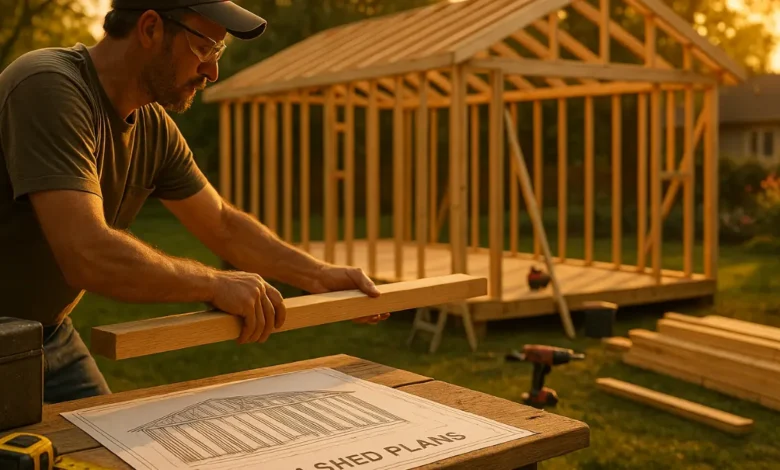
Expert guide on 10×24 shed plans with complete insights on design, foundation, framing, roofing, and finishing — build the perfect shed with confidence and style.

10×24 Shed Plans Overview
A 10×24 shed plan is more than just a storage layout — it’s a blueprint for creating functional, attractive outdoor space that can serve countless purposes. Whether you want a workshop, storage area, home gym, or creative studio, this size offers generous room while keeping construction manageable. The 10×24 dimensions equal 240 square feet, large enough for garden tools, power equipment, bikes, and even a small workspace, all within a structure that fits most residential lots easily.
Many homeowners find that 10×24 sheds strike the perfect balance between practicality and comfort. The extra length allows efficient zoning — you can have a workbench on one end and open storage on the other. Building your shed with a clear plan not only ensures stability and aesthetics but also maximizes usability and long-term durability.
Why Choose a 10×24 Shed
Choosing a 10×24 shed design comes with multiple benefits. Its long rectangular layout provides ample wall space, which means more shelving, hooks, and pegboards for organizing your gear. For anyone who wants to use their shed as a workspace, this size also provides enough walking room and natural light without feeling cramped.
Another reason builders and DIY enthusiasts love this size is versatility. You can design the structure with double doors, windows, or even small lofts for additional storage. It can serve as a gardening hub, small office, or hobby studio while still offering traditional storage space. The structure can easily be customized with partitions, insulation, or electrical wiring to enhance comfort and functionality year-round.
Planning and Preparation
Before you begin building, planning is everything. Start by determining your shed’s purpose — is it for equipment storage, a workshop, or both? This will guide decisions on layout, materials, and access points. It’s also important to check your local building regulations and permits before construction begins. Some areas require zoning compliance, setback distances, and specific foundation standards.
Evaluate your site carefully. Choose a level area with good drainage and sunlight exposure. If your ground is uneven, you might need to grade or level it to avoid water pooling under the shed. Also, plan where doors and windows will go for the best ventilation and natural light. A well-thought-out plan saves time, materials, and future maintenance hassles.
Foundation for 10×24 Shed
A strong shed begins with a solid foundation. There are a few common options for 10×24 sheds — gravel base with pressure-treated skids, pier and beam foundation, or a full concrete slab.
Gravel foundations with skids are the simplest and most cost-effective. They allow water drainage and provide a movable base. Pier and beam foundations offer better long-term stability, especially on uneven ground. Concrete slabs, while more expensive, provide the most durable and permanent solution, ideal for heavy equipment or frequent use.
Make sure your foundation is level and square before framing begins. This will prevent issues such as shifting doors, uneven flooring, and roof misalignment. A foundation done right ensures your 10×24 shed will stay strong for decades.
Framing the Structure
Once your foundation is ready, the next step is framing. The framing is the skeleton that supports the entire shed. Start with the floor frame — use pressure-treated lumber for durability and moisture resistance. Floor joists should be spaced evenly to support weight across the structure.
For wall framing, use high-quality 2×4 or 2×6 studs depending on your load requirements. Make sure all corners and intersections are securely nailed or screwed. If you plan to install shelves or hooks later, reinforce wall sections where heavy items will hang. Proper framing keeps your shed sturdy and aligned, ensuring smooth progress for the roof and siding stages.
Roofing Styles and Options
The roof is a defining feature of your 10×24 shed, both visually and functionally. Common roof styles include gable, gambrel, saltbox, and lean-to.
A gable roof is the most classic choice, giving you symmetry and excellent water runoff. Gambrel roofs provide extra headroom — great if you want attic storage or a loft area. Saltbox roofs are ideal for adding a touch of architectural uniqueness while improving drainage on one side. Lean-to roofs are simple and effective if your shed is built against another structure.
Choose roofing materials that balance durability with aesthetics — asphalt shingles, metal sheets, or wood shakes are popular. Proper underlayment and ventilation will ensure the roof remains weather-resistant and long-lasting.
Doors and Windows
Your shed’s functionality and comfort depend heavily on its access and ventilation. Double doors are excellent for moving large equipment in and out, while single doors suit smaller entryways. Consider placing windows on the longer walls for optimal natural light and airflow.
Windows not only enhance aesthetics but also make the shed usable as a workspace. Choose double-pane glass for insulation and security if you plan to spend long hours inside. Doors should be weather-sealed and framed correctly to prevent drafts and leaks.
Siding and Exterior Finishing
The siding of your 10×24 shed plays a major role in appearance and protection. Common siding options include wood panels, vinyl, engineered wood, or metal. Each has its benefits — wood gives a rustic charm, vinyl requires minimal maintenance, and metal provides maximum longevity.
Paint or stain your siding to match your home or landscape theme. Adding trim around doors and windows not only improves appearance but also helps protect joints from water intrusion. A well-finished exterior boosts curb appeal and weather resistance simultaneously.
Interior Design and Organization
Once the structure is complete, it’s time to organize the interior. Start by planning storage solutions. Wall-mounted shelves, pegboards, and overhead racks help maximize vertical space. You can divide the shed into zones — one for tools, another for gardening supplies, and one for workspace.
If you’re using your shed as a hobby area, consider installing insulation, drywall, and even flooring. Simple upgrades like rubber mats or laminate can make the space more comfortable. You can also wire the shed for electricity to add lights and power tools. Customizing the interior makes your 10×24 shed both efficient and enjoyable to use.
Cost and Material Estimation
Building a 10×24 shed involves costs that vary based on design complexity and materials. A basic DIY shed might cost between $2,000 and $4,500, while high-end versions with insulation, electricity, and quality siding may reach $7,000 or more.
Here’s a general material breakdown you can use as a reference:
| Component | Estimated Cost Range | Notes |
|---|---|---|
| Foundation | $300–$1,000 | Gravel or concrete |
| Lumber | $800–$1,500 | Floor, wall, and roof framing |
| Roofing | $300–$700 | Shingles or metal |
| Siding | $400–$900 | Vinyl, wood, or metal |
| Doors & Windows | $250–$800 | Based on quality |
| Hardware & Fasteners | $100–$250 | Nails, hinges, screws |
Proper budgeting ensures you don’t face mid-project surprises and allows you to allocate funds to upgrades like insulation or better finishes.
Maintenance and Longevity
A 10×24 shed built with care can last for decades with minimal upkeep. Perform seasonal inspections to check for water leaks, rot, or pest damage. Repaint or reseal wood siding every few years, and keep gutters or rooflines clear of debris.
If you’ve built on a gravel or wood skid foundation, ensure that ground moisture isn’t pooling beneath it. Replace or repair damaged boards promptly. With consistent maintenance, your shed will remain strong, functional, and visually appealing for years to come.
Expert Tips for Better Results
- Always use pressure-treated lumber for flooring and base frames.
- Double-check square alignment during framing — it prevents structural misalignment later.
- Pre-paint or seal wood parts before assembly for longer life.
- Incorporate vents or ridge ventilation to manage temperature and moisture.
- If you live in a snow-prone area, opt for a steeper roof pitch.
Attention to detail and craftsmanship elevates your 10×24 shed from a basic utility structure to a durable and attractive part of your property.
FAQs
What materials are best for building a 10×24 shed?
Pressure-treated lumber, exterior-grade plywood, and metal or asphalt shingles are among the best choices. They balance durability, cost, and ease of installation.
Do I need a permit to build a 10×24 shed?
In most cases, yes. Local building codes often require permits for sheds larger than 120 square feet. Always check regulations in your area before starting construction.
How long does it take to build a 10×24 shed?
For experienced DIYers, it typically takes one to two weeks of part-time work. If you’re new to construction, allow three to four weekends for completion.
Can I insulate a 10×24 shed?
Yes. Adding insulation makes your shed more comfortable and protects contents from temperature extremes. Fiberglass batts, foam boards, or spray foam can all work well.
What’s the best roof type for a 10×24 shed?
A gable roof is the most common and practical, offering great water runoff and classic looks. However, gambrel and saltbox roofs provide extra style and space.
Conclusion
A 10×24 shed plan offers the ideal combination of size, function, and versatility. With careful planning, quality materials, and attention to detail, you can build a structure that adds value to your home and serves multiple purposes. Whether you use it as a workshop, garden hub, or storage retreat, your 10×24 shed can become one of the most functional and rewarding DIY projects you’ll ever complete.