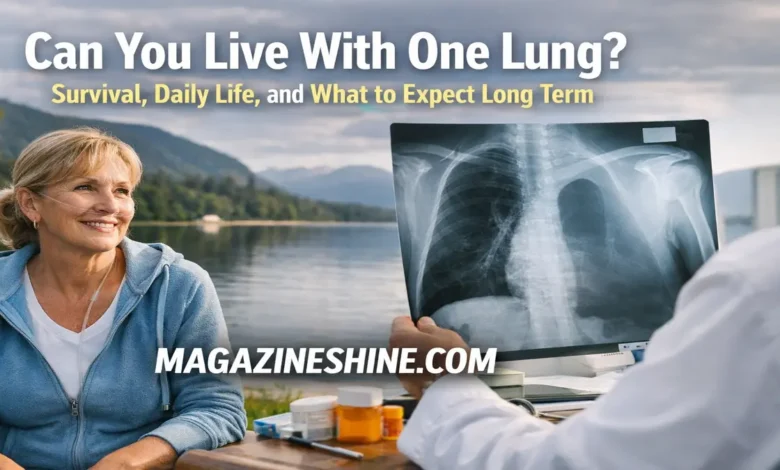
Can you live with one lung? Learn how the body adapts, what life is really like, and how people thrive with one lung through expert insights and real-world guidance.

Living with one lung is a topic that sparks curiosity, concern, and sometimes fear. Many people ask whether life can truly continue in a normal, meaningful way after losing a lung. The short answer is yes, you can live with one lung. The long answer is more nuanced, fascinating, and deeply connected to how adaptable the human body really is. This article explores the science, real-life experience, and practical realities behind living with one lung, written in a clear and expert yet easy-to-read style.
Can You Live With One Lung Naturally
The human body is remarkably resilient, and the lungs are no exception. While most people are born with two lungs, it is entirely possible to live with just one. Many individuals around the world live full lives after losing a lung due to surgery, injury, or disease. The remaining lung gradually adapts to take on a larger share of the workload.
When one lung is removed or becomes nonfunctional, the body does not suddenly stop functioning. Instead, the remaining lung expands over time and becomes more efficient at oxygen exchange. The heart, blood vessels, and muscles also adjust to optimize oxygen delivery throughout the body. This process does not happen overnight, but with time and proper care, the body learns how to compensate.
Living with one lung may feel different from living with two, especially in the early stages. Breathing can feel shallow or tiring at first, and physical exertion may require more effort. However, many people report that after recovery and rehabilitation, daily activities become manageable and even comfortable again.
Why Someone Might Have Only One Lung
There are several reasons why a person may end up living with one lung. One of the most common reasons is surgical removal, known medically as a pneumonectomy. This procedure is often performed to treat lung cancer, severe infections, or traumatic injuries.
Some people lose a lung due to accidents that damage lung tissue beyond repair. Others may have congenital conditions where one lung never fully develops. In rare cases, a lung may be rendered unusable due to chronic disease, scarring, or repeated infections, making removal the safest option.
Regardless of the reason, the decision to live with one lung is usually based on preserving overall health and quality of life. Doctors only recommend lung removal when the remaining lung is healthy enough to support the body on its own.
How the Body Adapts to One Lung
The adaptation process is one of the most remarkable aspects of living with one lung. The remaining lung gradually increases its capacity by expanding and improving its efficiency. Blood flow is redirected, and oxygen absorption becomes more optimized over time.
Muscles also play a role in adaptation. As oxygen delivery becomes slightly limited, muscles learn to use oxygen more efficiently. This is similar to how endurance athletes train their bodies to perform with limited oxygen availability.
The heart may also adjust by pumping more efficiently to circulate oxygen-rich blood. These combined changes allow many people to live active, fulfilling lives despite having only one lung.
Breathing Feels Different With One Lung
Breathing with one lung can feel noticeably different, especially during the early recovery phase. Many people describe a sensation of shortness of breath, especially during physical activity or emotional stress. This does not mean the body is failing; it simply reflects the adjustment period.
Over time, breathing often becomes smoother and more natural. The brain and respiratory system learn to regulate breathing patterns more effectively. People often find that they can walk, talk, and perform everyday tasks without constantly thinking about their breathing.
That said, certain activities such as running, climbing stairs, or carrying heavy objects may require pacing and rest breaks. Learning to listen to your body becomes an essential skill when living with one lung.
Physical Activity With One Lung
Physical activity is still possible with one lung, but it may look different from before. Many people can walk long distances, swim, practice yoga, and even cycle after full recovery. The key is gradual progression and consistency.
High-intensity sports may feel more challenging, especially those requiring sustained cardiovascular output. However, some individuals with one lung successfully participate in moderate sports by adjusting intensity and duration.
Pulmonary rehabilitation programs are often recommended to help individuals safely rebuild strength and endurance. These programs focus on breathing techniques, muscle conditioning, and energy conservation strategies that make daily life easier.
Quality of Life With One Lung
Quality of life is a major concern for anyone facing life with one lung. The good news is that many people report a high quality of life once they have fully recovered and adapted. They work, travel, socialize, and enjoy hobbies much like before.
Mental adjustment is just as important as physical recovery. Accepting new limitations, setting realistic expectations, and celebrating progress can make a significant difference. Support from family, friends, and healthcare professionals plays a crucial role in emotional well-being.
While life with one lung may involve some compromises, it does not mean giving up on joy, independence, or purpose.
Daily Challenges of Living With One Lung
Daily challenges can include fatigue, breathlessness during exertion, and sensitivity to air quality. Cold air, pollution, and respiratory infections may have a stronger impact on someone with one lung.
Simple habits such as avoiding smoking, staying hydrated, and practicing good hygiene become especially important. Regular medical checkups help monitor lung health and detect any potential issues early.
Learning how to pace activities and take breaks is another essential skill. Over time, these adjustments become second nature and integrate seamlessly into daily routines.
Can You Work and Travel With One Lung
Many people with one lung continue working, including in physically demanding jobs, depending on individual capacity and health. Office work and creative professions are generally very manageable.
Travel is also possible, including air travel. However, high-altitude destinations may require extra caution, as oxygen levels are lower. Consulting a healthcare provider before traveling to such locations is always recommended.
Planning ahead, allowing extra rest time, and staying mindful of energy levels can make travel enjoyable rather than stressful.
Emotional and Psychological Adjustment
Living with one lung is not just a physical journey but an emotional one as well. Feelings of anxiety, fear, or frustration are common, especially during recovery. Some people worry about their future, independence, or identity.
Talking openly about these feelings and seeking professional support can be incredibly helpful. Many individuals find strength and confidence as they realize how capable their bodies still are.
Over time, the experience of adapting and thriving with one lung often leads to a deeper appreciation for health and resilience.
Nutrition and Lifestyle Choices
Nutrition plays an important role in supporting lung health. A balanced diet rich in fruits, vegetables, lean proteins, and whole grains supports overall energy levels and immune function.
Staying physically active within personal limits, maintaining a healthy weight, and managing stress all contribute to better breathing and endurance. Avoiding smoking and secondhand smoke is especially critical.
Good sleep and proper hydration also support respiratory efficiency and overall well-being.
Long-Term Outlook for Living With One Lung
The long-term outlook for someone living with one lung is generally positive, especially if the remaining lung is healthy. Many people live for decades with one lung and experience minimal complications.
Regular follow-ups with healthcare providers help ensure that the lung continues to function well. Vaccinations, such as those for flu and pneumonia, may also be recommended to reduce the risk of respiratory infections.
With the right care and mindset, living with one lung can be a stable and fulfilling long-term reality.
Comparison of Life With Two Lungs and One Lung
| Aspect | Two Lungs | One Lung |
|---|---|---|
| Oxygen capacity | Higher reserve | Lower but adaptable |
| Physical endurance | Naturally higher | Can be rebuilt gradually |
| Recovery from illness | Faster | Requires extra care |
| Lifestyle flexibility | Very high | High with adjustments |
| Overall lifespan | Normal | Often normal with care |
Common Myths About Living With One Lung
One common myth is that life with one lung is extremely limited. In reality, many people live active and independent lives. Another misconception is that breathing will always feel difficult. While adjustment takes time, many people breathe comfortably during daily activities.
Some also believe that exercise is unsafe with one lung. On the contrary, guided and moderate exercise is often encouraged to improve lung efficiency and overall health.
Understanding the facts helps reduce fear and promotes confidence in recovery.
Frequently Asked Questions
Can you live with one lung for your whole life
Yes, many people live their entire lives with one lung. With proper medical care, a healthy lifestyle, and regular monitoring, lifespan can be similar to that of someone with two lungs.
Does living with one lung mean constant breathlessness
Not necessarily. Breathlessness is more common during early recovery or intense activity, but many people feel comfortable breathing during normal daily tasks.
Can children live with one lung
Yes, children can adapt very well to living with one lung. In some cases, the remaining lung grows and compensates even more effectively than in adults.
Is exercise safe if you have one lung
Exercise is usually safe and beneficial when done gradually and under medical guidance. Pulmonary rehabilitation is often recommended.
Can you get pregnant or live a normal family life with one lung
Yes, many people with one lung have families and live full personal lives. Medical supervision helps ensure safety during pregnancy or physically demanding phases.
Does one lung increase the risk of infections
There may be a slightly increased risk, which is why preventive care, vaccinations, and early treatment of respiratory symptoms are important.
Conclusion
Living with one lung is not only possible, it is often surprisingly manageable. While it requires adjustment, patience, and mindful care, many people go on to live active, meaningful, and joyful lives. The human body’s ability to adapt is extraordinary, and with the right support and lifestyle choices, one lung can truly be enough.