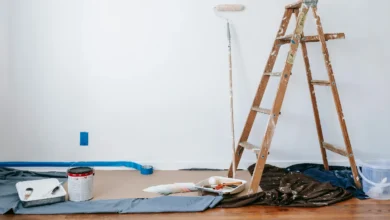
Home improvement planning has taken a practical turn as homeowners look closely at value, longevity, and timing. Projects that once felt optional now receive closer review, especially those tied to daily comfort and household reliability. Budget awareness has sharpened how repairs are chosen, scheduled, and spaced across the year. Thoughtful upkeep now serves as a way to protect both living conditions and financial stability.
Housing stock across many communities continues to age, which places greater responsibility on routine care. Systems, surfaces, and structural details respond differently to time, weather, and use. Living in Lansdale, PA, for example, brings seasonal exposure that affects heating equipment, exterior materials, and moisture control. Well-defined priorities help homeowners decide which improvements support comfort now while keeping future costs manageable.
Let’s discuss more about this below:
Keeping Heating Systems Dependable
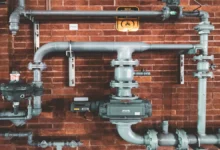
Heating systems experience heightened demand during colder months, and wear often builds quietly. Filters clog, components strain, and airflow shifts without immediate warning. As such, lack of upkeep can cause internal parts to degrade, which increases the chance of furnace damage during peak use. Paying attention to system behavior allows homeowners to plan service before performance drops disrupt comfort.
Scheduling professional furnace repair in Lansdale, PA, with expert help gives homeowners access to trained assessments and reliable fixes suited to local conditions. Skilled technicians identify damage patterns tied to age, usage, and seasonal demand. Expert involvement supports dependable operation through winter while helping households avoid sudden breakdowns that strain budgets and schedules.
Repairing Worn Door and Window Hardware
Doors and windows see constant use, yet hardware often receives little attention until failure occurs. Loose handles, worn locks, and misaligned hinges affect security and comfort. Given this, poor hardware performance can create gaps that allow drafts and moisture inside.
Prioritizing hardware repairs keeps entry points functioning smoothly. Replacing or tightening components restores proper alignment and reduces stress on frames. Simple adjustments here support comfort while preventing related wear that could require larger fixes later.
Maintaining Exterior Paint and Sealants
Exterior paint and sealants protect surfaces from moisture, sunlight, and temperature changes. Peeling paint or cracked sealant exposes siding and trim to damage that spreads beneath the surface. Once protection fails, underlying materials face faster deterioration.
Routine inspection and touch-ups help maintain that protective barrier. Sealing gaps and refreshing worn areas reduces exposure and keeps exterior materials stable. This approach extends the usable life of surfaces without committing to full replacement projects.
Repairing Loose Railings and Steps
Railings and steps play a direct role in household safety. Loose fasteners, shifting steps, or weakened supports increase the risk of falls. Wear often develops gradually through weather exposure and regular use.
Repairing these features restores stability and confidence. Securing connections and reinforcing supports keep stairways dependable for daily movement. Attention here protects both residents and visitors while preventing further structural strain.
Maintaining Siding Where Panels Have Loosened
Siding panels protect the home from wind, moisture, and temperature exposure. Panels can loosen over time due to expansion, contraction, or installation fatigue. Gaps allow water and pests to reach areas meant to remain sealed.
Reattaching or reinforcing siding panels maintains a consistent exterior barrier. Proper alignment helps surfaces perform as intended and reduces the chance of moisture intrusion behind walls. Regular checks keep siding secure and functioning as part of the home’s protective system.
Refreshing Cabinets Through Surface Updates
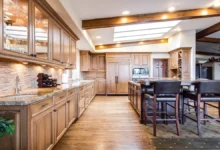
Cabinets influence how a kitchen or bathroom feels day to day, yet full replacements often sit outside a practical budget. Wear usually shows on surfaces first through fading finishes, scratches, or outdated colors rather than structural failure. This makes cabinets a strong candidate for cost-aware updates that change appearance without major disruption.
Surface-focused work, such as repainting, refacing, or updating hardware, gives cabinets a cleaner and more current look. Such updates rely on existing structures while improving usability and appearance. Attention to preparation and finish quality keeps results durable and cohesive with surrounding spaces, offering visual improvement without the expense of full replacement.
Managing Moisture in Bathrooms and Kitchens
Bathrooms and kitchens generate consistent moisture through daily use. Steam, condensation, and splashing place pressure on surfaces, ventilation, and sealants. Without control, moisture settles into walls, cabinets, and flooring, which can cause damage that spreads quietly.
Managing moisture starts with functional exhaust fans, sealed joints, and intact surfaces. Regular checks around sinks, tubs, and fixtures help identify areas where moisture lingers. Focused repairs support healthier indoor conditions and protect surrounding materials from deterioration linked to prolonged dampness.
Maintaining Garage Door Operation
Garage doors operate through repeated cycles and carry substantial weight. After some time, rollers wear, tracks shift, and hardware loosens. Poor operation affects daily convenience and places strain on mechanical components.
Routine maintenance keeps doors moving smoothly and quietly. Adjusting alignment, tightening hardware, and checking balance help prevent sudden malfunctions. Reliable garage door performance supports safety and reduces the chance of disruption tied to mechanical failure.
Reinforcing Attic Ventilation Paths
Attic ventilation influences temperature balance and moisture movement throughout the home. Blocked or limited airflow allows heat and moisture to collect, which places pressure on roofing materials and insulation. Poor ventilation can affect comfort levels below as well.
Reinforcing ventilation paths involves clearing obstructions and confirming airflow routes remain open. Balanced ventilation supports consistent attic conditions and helps protect materials exposed to temperature fluctuation.
Maintaining Interior Caulking
Caulking inside the home quietly supports durability and appearance, yet it often receives attention only after problems appear. Areas around countertops, sinks, tubs, backsplashes, and baseboards experience constant movement through temperature changes, humidity, and daily use. After a while, caulk dries out, shrinks, or separates from surfaces, leaving narrow gaps that allow moisture and debris to settle where they should not.
Refreshing interior caulking helps maintain clean transitions between materials while protecting surfaces beneath. In kitchens and bathrooms, intact caulk limits water contact with cabinets, walls, and flooring. Along baseboards and trim, it reduces air movement and keeps finishes looking finished rather than worn. Careful removal of old material followed by proper application creates a neat, long-lasting seal that supports both function and appearance without a high cost or extended disruption.
Budget-friendly home improvements focus on thoughtful maintenance rather than large-scale replacement. Prioritizing repairs that protect comfort, safety, and structure allows homeowners to stretch resources while maintaining dependable living conditions. When upkeep follows a clear order, homes remain functional and manageable across changing seasons. Planning repairs with intention supports confidence and stability. Each completed project strengthens the home as a whole, reducing the chance of unexpected disruption.