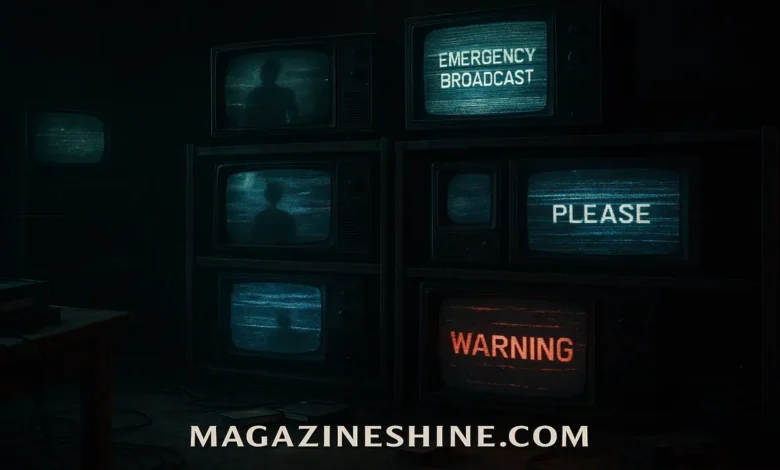
Analog horror is a modern horror genre that uses retro media, VHS aesthetics, and distorted broadcasts to create slow-burn psychological fear through nostalgia, mystery, and unsettling storytelling.


Analog horror is one of the most fascinating evolutions in modern horror storytelling. It does not rely on loud jump scares, graphic violence, or traditional monsters to terrify its audience. Instead, analog horror quietly creeps into the mind, using the familiarity of old media formats to unsettle viewers in deeply psychological ways. By repurposing analog technology such as VHS tapes, public access television, emergency broadcasts, and distorted audio signals, this genre transforms nostalgia into dread.
At its core, analog horror plays with memory and trust. Many people grew up watching grainy television broadcasts, educational videos, and emergency alerts. These formats once symbolized authority, safety, and normalcy. Analog horror subverts that expectation. It twists trusted media into something hostile and unknown, creating fear by suggesting that the systems meant to protect us may be hiding something far more sinister.
What makes analog horror particularly powerful is its restraint. The genre often reveals very little outright. Instead, it encourages the audience to piece together meaning from fragmented visuals, corrupted messages, and unsettling silences. This slow, deliberate pacing invites the viewer to become an active participant in the horror, filling in the gaps with their own imagination. In many cases, what is not shown becomes far more terrifying than anything explicitly displayed.
Understanding the Roots of Analog Horror
To understand analog horror, it helps to look at the cultural and technological foundations that shaped it. This genre is deeply connected to the era of analog media, a time before digital clarity, when recordings were imperfect and broadcasts could feel unstable. Those imperfections now serve as tools for fear.
Analog technology was never flawless. VHS tapes degraded over time, audio warbled, and visuals distorted unpredictably. In the past, these flaws were accepted as normal. In analog horror, they become intentional signals that something is wrong. Static is no longer harmless noise. A tracking error is no longer a technical issue. Each glitch becomes a warning.
The genre also draws inspiration from earlier horror traditions. Cosmic horror, psychological horror, and found footage all play a role in shaping analog horror’s identity. Like cosmic horror, analog horror often suggests forces beyond human comprehension. Like psychological horror, it focuses on unease rather than shock. Like found footage, it presents itself as discovered material rather than a polished narrative.
What separates analog horror from these influences is its use of familiar formats. The horror feels closer to home because it looks like something that could have existed on a forgotten shelf or late-night television channel. This sense of plausibility makes the fear linger long after the video ends.
Why Analog Horror Feels So Unsettling
Analog horror works because it attacks comfort zones. It uses the familiar to create the unfamiliar. When viewers recognize the structure of a children’s program, a public service announcement, or a weather alert, they instinctively relax. Analog horror then breaks that trust slowly, often without clear explanation.
One reason analog horror is so effective is its ambiguity. The genre rarely explains itself directly. Messages are incomplete. Voices speak in cryptic tones. Images flash briefly and disappear. This lack of clarity forces the brain to search for meaning, and that mental effort increases anxiety. The viewer is never allowed to feel fully grounded.
Another reason is pacing. Analog horror is patient. It allows discomfort to build gradually. Silence is used as a weapon. Long pauses and empty frames give the viewer time to anticipate something terrible. Often, nothing happens immediately, which makes the eventual reveal far more disturbing.
There is also a psychological element tied to authority. Emergency broadcasts, instructional videos, and official warnings usually represent control and order. In analog horror, these formats are corrupted. Authority figures become unreliable or hostile. The idea that trusted systems can betray us taps into a deep, universal fear.
Visual Language and Aesthetic of Analog Horror
The visual style of analog horror is instantly recognizable. Grainy footage, faded colors, warped frames, and heavy static define the genre. These elements are not decorative. They are essential to how the horror functions.
Analog horror often uses darkness and low contrast to obscure details. Faces may be hidden in shadow. Figures appear briefly, only to vanish. This visual uncertainty keeps the viewer constantly searching the screen, afraid of what they might miss. Even still images can feel threatening when combined with unsettling audio or text.
Typography also plays an important role. Text in analog horror often appears distorted, stretched, or poorly aligned. Fonts may resemble outdated broadcast captions or early computer interfaces. These design choices reinforce the illusion that the footage comes from another time, increasing its authenticity.
Color palettes tend to be muted and cold. Blues, greens, and grays dominate, occasionally interrupted by harsh reds or whites to signal danger. This limited use of color helps guide emotional responses, making moments of contrast feel alarming.
Sound Design and Silence in Analog Horror
Sound is just as important as visuals in analog horror. In many cases, audio carries more emotional weight than imagery. Low hums, distorted voices, reversed speech, and sudden static bursts create an atmosphere of unease that visuals alone could not achieve.
Analog horror frequently uses silence as a tool. Long stretches without sound can be deeply uncomfortable, especially when paired with still images or minimal movement. Silence invites anticipation, and anticipation feeds fear. When sound finally returns, it often does so in an abrupt or distorted way, intensifying the emotional impact.
Voices in analog horror rarely sound natural. They may be slowed down, pitched incorrectly, or filtered through layers of distortion. This makes speech feel inhuman, even when the words themselves are mundane. The result is a sense that something is imitating humanity without fully understanding it.
Music, when present, is usually minimal. Simple melodies, droning tones, or warped versions of cheerful tunes are common. These sounds create emotional dissonance, making familiar music feel wrong and unsettling.
Storytelling Techniques in Analog Horror
Analog horror storytelling is fragmented by design. Rather than presenting a clear beginning, middle, and end, the genre often unfolds through disconnected pieces. Viewers may encounter episodes out of order, incomplete recordings, or corrupted files.
This fragmented structure encourages theory-building. Fans of analog horror often discuss interpretations, hidden meanings, and timelines. The genre thrives on community engagement, with viewers collaborating to solve narrative puzzles. This participatory element deepens emotional investment.
Another key technique is implication. Analog horror rarely shows violence directly. Instead, it suggests outcomes through audio cues, text warnings, or sudden cuts. The viewer’s imagination fills in the blanks, often creating something far more frightening than explicit imagery.
Recurring symbols are also common. Strange logos, repeated phrases, or familiar figures may appear across different videos. These elements create a sense of continuity and hint at a larger unseen story. Over time, these symbols take on meaning, becoming sources of dread on their own.
Psychological Themes Explored in Analog Horror
Analog horror is deeply psychological. It explores themes such as loss of control, fear of the unknown, and the fragility of reality. Many stories focus on humanity’s inability to understand or contain larger forces.
One recurring theme is identity. Characters may lose their sense of self, be replaced by impostors, or merge with unknown entities. This reflects anxiety about autonomy and individuality, especially in a world shaped by technology and surveillance.
Another common theme is isolation. Analog horror often portrays characters who are alone, unheard, or ignored. Emergency messages go unanswered. Warnings are dismissed. This isolation amplifies fear, suggesting that help may not arrive when it is needed most.
Time is also a frequent subject. Old recordings resurface. Past mistakes return to haunt the present. The blending of past and present reinforces the idea that history is never truly gone. In analog horror, time itself can feel unstable.
The Role of Nostalgia in Analog Horror
Nostalgia is a double-edged sword in analog horror. On one hand, it draws viewers in by reminding them of simpler times. On the other, it becomes the source of fear. The genre weaponizes nostalgia, turning comfort into unease.
This emotional conflict makes analog horror particularly effective. Viewers recognize the formats and styles, but something feels off. That subtle wrongness creates tension. The brain struggles to reconcile familiarity with danger.
By using outdated media, analog horror also creates emotional distance from modern technology. There are no smartphones, no high-definition images, no instant clarity. This limitation increases vulnerability. The viewer feels trapped in a world without easy answers.
Nostalgia also adds authenticity. Analog horror feels discovered rather than created. It feels like a relic, something not meant to be seen. This illusion strengthens immersion and makes the horror more believable.
Analog Horror in Online Culture
Analog horror has found a natural home online. Video platforms allow creators to distribute short episodes, cryptic clips, and hidden messages. The internet’s fragmented nature complements the genre’s storytelling style.
Communities form around analog horror projects, analyzing every detail. Screenshots are examined. Audio is reversed. Text is decoded. This collective effort turns viewing into an interactive experience. The horror extends beyond the video itself and into discussion spaces.
The accessibility of analog horror also contributes to its popularity. Creators do not need expensive equipment or elaborate sets. Simple editing tools and creative vision are enough. This has led to a wide variety of interpretations and styles within the genre.
Because analog horror thrives on ambiguity, it benefits from repeat viewing. Each rewatch may reveal something new. This replay value keeps audiences engaged and encourages sharing.
Ethical and Emotional Impact of Analog Horror
Despite its fictional nature, analog horror can have a strong emotional impact. Its realism and psychological focus may be unsettling for some viewers. The genre’s use of authority figures and emergency messaging can trigger anxiety, especially for those sensitive to such themes.
Creators often include content warnings to help viewers make informed choices. Responsible storytelling is important, particularly when dealing with intense psychological material. Analog horror works best when it respects the audience’s emotional boundaries while still challenging them.
There is also an ethical dimension to realism. Analog horror should avoid exploiting real tragedies or mimicking actual emergency systems too closely. The most effective works create fictional frameworks that evoke fear without causing harm or confusion.
When done thoughtfully, analog horror can be a powerful form of artistic expression. It allows creators to explore complex emotions and societal fears in a unique and memorable way.
Comparing Analog Horror to Other Horror Genres
Analog horror differs significantly from traditional horror genres. Unlike slasher films, it does not rely on physical threats. Unlike paranormal horror, it often avoids clear supernatural explanations. Its fear is quieter and more abstract.
Compared to digital horror, analog horror feels slower and more deliberate. Digital horror may use fast cuts, glitch effects, and rapid pacing. Analog horror embraces imperfection and patience. It allows tension to build naturally.
Found footage shares similarities with analog horror, but the two are not identical. Found footage often follows characters directly. Analog horror may never show a protagonist at all. The absence of a central character makes the experience more impersonal and unsettling.
These differences make analog horror stand out. It fills a unique space in the horror landscape, appealing to viewers who prefer atmosphere and mystery over spectacle.
Table: Key Elements of Analog Horror
| Element | Purpose | Emotional Effect |
|---|---|---|
| VHS distortion | Signals decay and instability | Unease and distrust |
| Emergency style text | Mimics authority | Anxiety and urgency |
| Silence | Builds anticipation | Tension |
| Fragmented narrative | Encourages interpretation | Curiosity and dread |
| Nostalgic visuals | Creates familiarity | Emotional conflict |
Quotes That Capture the Spirit of Analog Horror
“Analog horror does not scream. It whispers, and those whispers stay with you.”
“The scariest thing about analog horror is not what it shows, but what it suggests.”
“When the familiar becomes hostile, fear feels personal.”
The Creative Process Behind Analog Horror
Creating analog horror requires careful planning. Every visual glitch and audio distortion must serve a purpose. Random chaos rarely works. The most effective pieces are deliberate and restrained.
Creators often start with a concept rather than a full story. They decide what emotion they want to evoke and build backward. Visual style, sound design, and pacing are chosen to support that emotional goal.
Editing plays a crucial role. Timing is everything in analog horror. A single extra second of silence or a slightly longer static shot can change the entire mood. Precision is more important than complexity.
Successful analog horror also respects the audience’s intelligence. It trusts viewers to connect dots and draw conclusions. This respect creates a stronger bond between creator and audience.
Cultural Significance of Analog Horror
Analog horror reflects modern anxieties about technology, authority, and truth. In an age of constant digital noise, the genre’s quiet unease feels refreshing and relevant. It reminds audiences that fear does not need spectacle to be effective.
The genre also highlights a longing for authenticity. In a world of polished content, analog horror embraces imperfection. Its rough edges feel honest, even when the story itself is fictional.
By revisiting outdated media, analog horror encourages reflection on how technology shapes perception. It asks viewers to consider what they trust and why. That question resonates deeply in contemporary culture.
Future of Analog Horror
Analog horror continues to evolve. Creators experiment with new formats while staying true to the genre’s core principles. Some blend analog aesthetics with modern themes, creating hybrid experiences.
As audiences become more familiar with analog horror, expectations rise. Creators must find new ways to surprise without losing subtlety. Innovation within constraint will shape the genre’s future.
Despite changes, the heart of analog horror will likely remain the same. Its power lies in atmosphere, implication, and psychological depth. As long as creators honor those elements, the genre will continue to thrive.
FAQs About Analog Horror
What exactly is analog horror
Analog horror is a horror genre that uses retro media formats such as VHS tapes, emergency broadcasts, and analog television aesthetics to create psychological fear through atmosphere, distortion, and implication.
Why does analog horror feel more disturbing than other horror styles
Analog horror feels disturbing because it uses familiar media in unfamiliar ways. It creates fear through ambiguity, slow pacing, and the suggestion that trusted systems may be hiding something dangerous.
Is analog horror suitable for everyone
Analog horror can be intense due to its psychological nature. Some viewers may find the themes of isolation, authority corruption, and existential fear unsettling. Content warnings are often recommended.
How is analog horror different from found footage
Found footage usually follows characters directly and presents events as recorded experiences. Analog horror often removes the human perspective, focusing instead on corrupted media and indirect storytelling.
Can analog horror exist outside video formats
Yes, analog horror elements can appear in audio projects, written narratives, and visual art. However, video remains the most common medium because it best replicates analog media.
Conclusion: Why Analog Horror Endures
Analog horror endures because it understands fear on a fundamental level. It does not overwhelm the senses. It unsettles them. By turning nostalgia into uncertainty, analog horror creates an experience that feels personal and lingering.
The genre’s strength lies in restraint, atmosphere, and trust in the audience’s imagination. As long as creators continue to respect these principles, analog horror will remain one of the most compelling forms of modern horror storytelling.