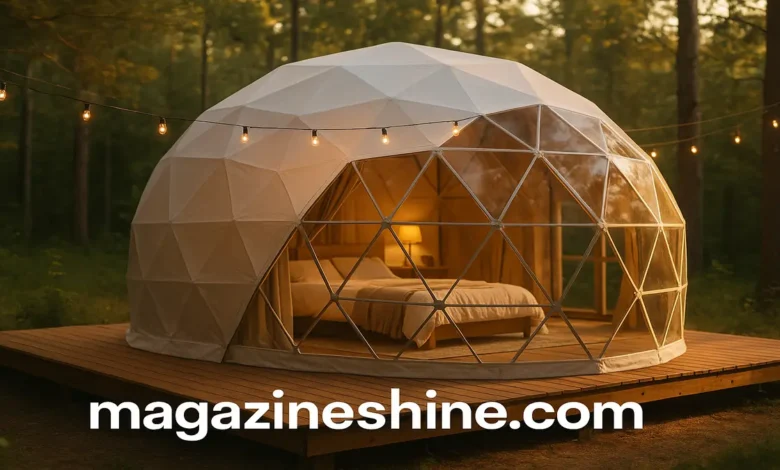
Discover the rise of the glamping economy, how it reshapes travel, transforms outdoor hospitality, boosts local businesses, and unlocks high-profit opportunities for creators, investors, and eco-tourism brands.


The glamping economy has transformed from a quiet trend into a booming powerhouse shaping the way people travel, invest, and experience nature. The glamping economy represents something more than upgraded camping; it reflects a cultural shift where travelers want nature, comfort, adventure, uniqueness, and sustainability all at once. The glamping economy stands at the center of this transformation, creating opportunities for entrepreneurs, remote workers, eco-resorts, digital nomads, and rural communities who want to tap into the growing demand for meaningful experiences.
The modern glamping economy has outperformed most traditional hospitality categories because travelers are tired of cookie-cutter stays. They want something immersive yet comfortable, which is exactly why the glamping economy continues to expand. Whether it’s a scenic dome, a treehouse loft, a safari tent, a glass cabin, a rustic yurt, or an eco-pod hidden in the forest, the glamping economy gives people what they crave: nature without compromise.
The glamping economy is now considered one of the fastest-rising sectors in tourism. Investors see it as a profitable frontier, rural landowners see it as a development opportunity, and travelers see it as a dreamy escape. As the glamping economy continues to grow, it reshapes expectations for travel and lifestyle. In this article, we break down everything shaping the glamping economy, why it’s exploding, and where it’s headed next.
Understanding the Glamping Economy and Why It’s Reshaping Modern Travel
The glamping economy is rooted in the idea that travelers want more than accommodation—they want an experience. The glamping economy thrives because it balances luxury with nature, offering travelers a hybrid that traditional hotels or standard campgrounds simply cannot match. This balance boosts the glamping economy and solidifies its place in the future of travel.
The glamping economy represents a major cultural shift. People desire emotional relief from urban pressure, digital saturation, and daily routines. They seek slow travel, mindfulness, and unique spaces that feel curated rather than mass-produced. This consumer shift helps the glamping economy grow faster every season. Resorts, landowners, and lifestyle brands now compete to offer creative designs, natural settings, and curated amenities, making the glamping economy highly diverse and full of innovation.
Another driving factor behind the glamping economy is remote work. More people can work from anywhere, and the glamping economy attracts them with peaceful locations, stable Wi-Fi, comfortable interiors, and scenic setups ideal for long stays. Instead of crowded hotels, the glamping economy offers privacy, tranquility, and space to think. Travelers no longer see glamping as weekend camping; they now view the glamping economy as a lifestyle option.
The glamping economy also aligns with environmental awareness. Travelers want low-impact experiences, and eco-accommodations like solar-powered domes or off-grid cabins speak directly to this desire. Sustainability fuels the glamping economy because guests want to minimize harm while maximizing enjoyment. Landowners can operate efficiently, and travelers can feel good about their choices. This synergy strengthens the glamping economy and broadens its influence across tourism and hospitality.
How the Glamping Economy Became a Global Travel Movement
The glamping economy gained traction through social media, and platforms like Instagram, Pinterest, and TikTok turned it into a visual trend. Stunning domes, forest cabins, glass pods, and cliffside tents became viral content, creating demand before supply even existed in many regions. This social influence injected energy into the glamping economy and pushed entrepreneurs to experiment with design, themes, and experiences.
The glamping economy thrives on aesthetics as much as functionality. People love sharing unique spaces, and glamping structures naturally appeal to this desire. A single viral video of a dome in the mountains can attract thousands of bookings. This digital exposure is why the glamping economy grows without traditional advertising. Operators benefit from organic marketing, while travelers discover new destinations effortlessly.
Another crucial element shaping the glamping economy is the growing search for alternative travel. Traditional hotels feel predictable, and many travelers want adventure without sacrificing comfort. This demand for authentic yet luxurious experiences expands the glamping economy across continents. In Europe, glamping blends into heritage landscapes. In North America, it blends into wilderness culture. Across Asia and Africa, it merges with mountains, deserts, and wildlife corridors, giving the glamping economy diverse appeal.
Global tourism is shifting toward experience-based travel, and the glamping economy fits perfectly. It appeals to young couples, families, content creators, corporate retreat planners, adventure seekers, wellness travelers, and even retirees looking for peaceful escapes. This broad audience ensures the glamping economy stays strong regardless of economic ups and downs.
Lifestyle changes also contribute to the rise of the glamping economy. People are prioritizing mental wellness, nature therapy, and slow living. Glamping offers a mix of nature immersion and premium comfort that hotels can’t replicate. When the world embraced remote lifestyles, the glamping economy naturally expanded. People wanted breaks from cities, and glamping sites offered safety, privacy, and wellness benefits at a time when they were needed most.
Key Drivers Behind the Expansion of the Glamping Economy
The glamping economy isn’t just growing—it’s evolving rapidly. Several powerful drivers fuel its expansion, and each plays a unique role in shaping its long-term success. These forces act together to form a dynamic environment where new entrants, investors, and lifestyle brands want to participate.
Traveler Demand for Luxury in Nature
Modern travelers want nature without inconvenience. Instead of sleeping bags and campsites, they want plush bedding, private bathrooms, hot tubs, decks, and curated design. This preference supports the glamping economy because it bridges the gap between rugged adventure and luxurious comfort. As more people look for memorable stays, the glamping economy keeps rising.
Flexible Remote Work Culture
Remote workers are redefining travel norms. They want peaceful environments that inspire creativity and productivity, and the glamping economy provides exactly that. Treehouses, tiny homes, and domes with strong internet connections give remote workers long-stay options that feel refreshing compared to city apartments. This shift strengthens the glamping economy and attracts digital nomads worldwide.
Social Media Influence
Photos and videos of unique glamping stays dominate travel feeds. These posts act as ads for the glamping economy, creating demand across demographics. Content creators, influencers, and travelers all contribute to the visibility of the glamping economy, which helps small operators compete with major brands.
Environmental Consciousness
Sustainability plays a huge role in the glamping economy. Travelers prefer low-impact accommodations, while owners reduce operational costs with eco-friendly systems. Solar panels, composting toilets, rainwater harvesting, and natural building materials make glamping one of the most sustainable hospitality models. This green approach strengthens the appeal of the glamping economy globally.
Experiential Travel Trend
Travelers want to feel something emotional and memorable. Standard hotels rarely deliver that experience, but the glamping economy does. Whether it’s a stargazing dome or a floating cabin, the uniqueness of these spaces creates long-lasting memories and higher perceived value.
High Profit Margins for Operators
The glamping economy attracts entrepreneurs because it offers high profitability and lower upfront costs compared to building hotels. A single glamping unit can generate impressive returns, especially if located in a scenic area. This financial appeal motivates investors and landowners to expand the glamping economy further.
Economic Impact: How the Glamping Economy Supports Local Communities
When the glamping economy enters rural or semi-rural areas, it triggers a wave of development and opportunity. Local communities benefit through job creation, new business partnerships, tourism activity, and cultural preservation. The glamping economy adds more value to surrounding areas than traditional tourism because it integrates harmoniously with local landscapes.
The glamping economy strengthens local employment. From construction to housekeeping, maintenance, design, and guest management, operators hire local talent. This boosts rural income and encourages community development. Areas that previously lacked tourism potential now thrive because the glamping economy gives travelers a reason to visit.
The glamping economy also supports small businesses. Local farms supply organic produce, artisans provide décor, and tour guides offer unique experiences. Restaurants, cafés, craft stores, and outdoor adventure companies all benefit indirectly. This ripple effect shapes a strong micro-economy built around the glamping economy.
Cultural preservation is another important outcome. Some glamping sites integrate local styles, indigenous knowledge, or heritage crafts into their designs. This helps maintain cultural identity while promoting authentic experiences for guests. The glamping economy becomes a cultural bridge connecting travelers with local traditions.
Communities also benefit through infrastructure improvements. Roads, utilities, and communication networks often expand when the glamping economy attracts new tourism. This enhanced infrastructure supports both residents and other businesses in the area. As a result, the glamping economy becomes a sustainable engine for community growth and revitalization.
Types of Glamping Structures Driving the Glamping Economy
Below is a table that outlines the most popular glamping structures contributing to the glamping economy.
| Glamping Structure | Description | Benefit to the Glamping Economy |
|---|---|---|
| Domes | Geodesic, futuristic, highly Instagrammable | Extremely high demand and viral potential |
| Yurts | Circular, cozy structures rooted in heritage | Perfect for eco-friendly retreats |
| Safari Tents | Luxury tents inspired by African safaris | Ideal for premium wilderness experiences |
| Treehouses | Elevated wooden structures | Appeals to adventure and novelty seekers |
| Tiny Homes | Compact and minimalist | Great for long-stay nomads and remote workers |
| Cabins | Traditional yet modernized | Attracts families and comfort-seekers |
| Pods & Capsules | Futuristic compact stays | Efficient and eco-friendly for operators |
Each structure contributes to the diversity of the glamping economy. Operators can choose based on climate, landscape, target audience, and budget. This structural variety keeps the glamping economy dynamic and adaptable.
Why the Glamping Economy Attracts Entrepreneurs and Investors
The glamping economy is incredibly attractive to entrepreneurs for several reasons. It offers strong profit margins, creative freedom, and scalable business models. Unlike hotels, which require millions of dollars for development, the glamping economy allows a small operator to start with a manageable budget.
A single dome or tiny house can generate significant revenue, especially in scenic or popular travel regions. This low-barrier entry encourages new participants to join the glamping economy and innovate with unique concepts. The combination of high nightly rates and relatively low operational costs makes glamping one of the most profitable hospitality ventures.
The glamping economy also offers flexibility. Operators can expand gradually, adding more structures based on demand. This phased approach reduces risk and increases long-term sustainability. Additional revenue streams like outdoor dining, yoga retreats, guided tours, sauna cabins, or photography experiences make the glamping economy even more lucrative.
Investors see long-term potential in the glamping economy because global travel preferences continue shifting toward sustainability, uniqueness, and wellness. These trends align perfectly with the strengths of the glamping economy. Unlike short-lived trends, the glamping economy represents cultural change, ensuring steady growth in the future.
The Role of Technology in Shaping the Glamping Economy
Technology plays a major role in strengthening the glamping economy. Modern travelers expect digital convenience even in nature, and operators adopt smart solutions to meet this demand. From online booking systems to smart locks, solar grids, and energy-efficient systems, technology enhances the guest experience.
The glamping economy benefits greatly from automation. Self-check-ins, remote monitoring, and app-based communication reduce labor costs and improve efficiency. Smart technology also helps operators manage off-grid or remote units through solar power systems, water filters, and eco-friendly heating solutions.
Wi-Fi is crucial for the glamping economy. Many guests choose glamping because they want balance—nature with digital connectivity. Remote workers and long-stay travelers rely on strong internet to work peacefully while enjoying outdoor surroundings. Providers who offer reliable Wi-Fi gain a competitive edge in the glamping economy.
Artificial intelligence and data analytics also play a role. Operators can predict booking trends, adjust pricing strategies, and personalize guest experiences. This digital intelligence helps refine decision-making and maximize revenue, making the glamping economy more sophisticated and efficient.
Sustainability: The Heart of the Glamping Economy
The glamping economy thrives because it aligns with global sustainability movements. Travelers want to reduce their environmental footprint and choose accommodations that respect nature. Glamping structures often use minimal-impact foundations, solar panels, natural materials, and off-grid systems.
Sustainability is not just a marketing buzzword; it is the foundation of the glamping economy. Operators design spaces that minimize land disturbance and preserve scenic landscapes. This eco-approach appeals to conscious travelers who want meaningful experiences that don’t harm the environment.
The glamping economy also promotes circular living. Guests reuse resources, embrace natural elements, and disconnect from high-consumption lifestyles. This experience fosters appreciation for the earth and strengthens consumer loyalty.
Eco-certifications and green tourism programs help operators stand out. As more travelers prioritize environmentally responsible travel, the glamping economy will continue to expand as a leader in sustainable tourism innovation.
The Glamping Economy and Social Media Culture
Social media culture plays a massive role in the rapid rise of the glamping economy. Unique, picturesque accommodations are highly shareable, and travelers love posting content that showcases memorable experiences. The visual appeal of domes, forest cabins, and treehouses fuels organic marketing for the glamping economy.
Influencers collaborate with glamping operators, creating viral content that attracts massive numbers of new customers. Hashtags related to the glamping economy consistently trend on travel platforms, reinforcing its popularity. This visibility creates a feedback loop where demand increases and operators innovate further.
User-generated content acts as powerful advertising for the glamping economy. Guests share videos, reviews, and aesthetic photos that inspire others to book similar stays. This accelerates growth and lowers the marketing cost for operators, giving the glamping economy a competitive edge.
Challenges and Future Trends in the Glamping Economy
While the glamping economy is booming, it is not without challenges. Regulation, land use policies, and environmental protection laws vary significantly across regions. Operators must navigate zoning restrictions, permits, and sustainability requirements to operate legally.
Weather dependency is another challenge. Many glamping structures are seasonal and require maintenance to withstand harsh climates. Operators must budget for repairs and upgrades to protect their investments and ensure guest safety.
Competition is rising as more businesses enter the glamping economy. To stand out, operators must innovate with design, themes, and curated experiences. Strong branding, excellent service, and unique offerings help sites maintain high occupancy and revenue.
Looking ahead, the glamping economy will continue to evolve. Trends such as wellness retreats, themed adventures, off-grid luxury, and hybrid accommodations will dominate. Advanced technology, sustainable design, and experiential upgrades will define the next wave of growth.
Inspirational Quote for the Glamping Economy
“Luxury is not about grand buildings or expensive chandeliers; it’s about meaningful moments crafted in nature. The glamping economy brings simplicity and sophistication together in the most beautiful way.”
FAQs About the Glamping Economy
What is the glamping economy?
The glamping economy refers to the business ecosystem built around luxury outdoor accommodations. It includes operators, investors, travelers, service providers, and communities who contribute to or benefit from the glamping industry.
Why is the glamping economy growing so fast?
The glamping economy is expanding due to demand for unique travel experiences, sustainability, social media influence, remote work lifestyles, and increasing desire for nature-based luxury stays.
How profitable is the glamping economy for new entrepreneurs?
The glamping economy offers high profit margins because of manageable startup costs, high nightly rates, and strong year-round demand. Many operators begin with a single unit and scale gradually.
Does the glamping economy support sustainability?
Yes. The glamping economy promotes eco-friendly practices such as off-grid living, renewable energy, minimal land disturbance, and low-impact construction.
Who benefits from the glamping economy?
Travelers, landowners, local communities, small businesses, eco-brands, and tourism operators all benefit from the growth of the glamping economy.
Is glamping suitable for long-term stays?
Absolutely. Many glamping units like domes, tiny homes, and cabins are designed for long stays, offering comfort, Wi-Fi, heating, cooling, and workspace solutions.
Conclusion
The glamping economy represents one of the most powerful transformations in modern travel. It blends nature, luxury, sustainability, and experience-driven tourism into a single ecosystem. As more travelers seek meaningful escapes, the glamping economy will keep expanding across global markets. It benefits local communities, supports eco-innovation, and gives entrepreneurs exciting opportunities. The glamping economy is not a passing trend—it is the future of experiential travel.