Safe Trails Task Force Fremont County: How the Community Is Protecting Outdoor Adventures

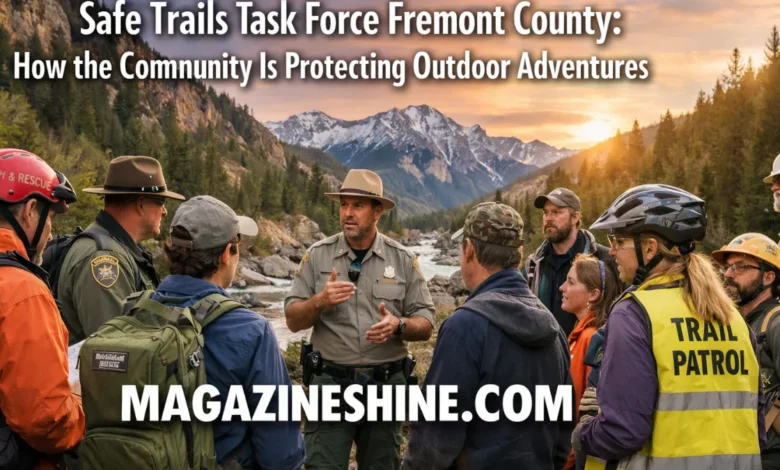
Safe Trails Task Force Fremont County explained. Learn how this community-driven initiative improves trail safety, education, and outdoor enjoyment across Fremont County.


Outdoor Safety, Stewardship, and Community Collaboration Explained
Outdoor recreation is deeply woven into life in Fremont County. From winding canyon paths and river corridors to high-elevation mountain routes, the region offers trails that attract locals, families, and visitors year-round. With that popularity comes responsibility, and that responsibility is exactly where the Safe Trails Task Force Fremont County comes in.
This article offers a complete, reader-friendly, expert-style guide to the Safe Trails Task Force Fremont County. It explains why the group exists, how it works, who is involved, and why it has become an essential part of keeping outdoor spaces safe, welcoming, and sustainable for everyone. The tone is casual but informed, making it easy to read while still offering depth and authority.
Understanding the Purpose of the Safe Trails Task Force Fremont County
The Safe Trails Task Force Fremont County was formed with one clear mission in mind: to improve safety, awareness, and coordination across Fremont County’s trail systems. As more people explore outdoor spaces, challenges naturally increase. These include accidents, navigation issues, environmental impact, and the need for rapid emergency response when things go wrong.
Rather than addressing these challenges in isolation, the task force takes a collaborative approach. It brings together local government representatives, trail managers, search and rescue volunteers, law enforcement, health professionals, outdoor advocates, and community members. This cooperation ensures that safety efforts are consistent, well-informed, and practical.
Another important purpose of the task force is education. Many trail incidents are preventable with better preparation and awareness. By focusing on signage, public outreach, and shared best practices, the Safe Trails Task Force Fremont County helps reduce risk while preserving the freedom and enjoyment that make outdoor recreation so valuable.
Why Trail Safety Matters in Fremont County
Fremont County’s geography is both beautiful and demanding. Trails may pass through rugged terrain, high elevations, unpredictable weather zones, and remote areas with limited cell service. These conditions create unique safety challenges that differ from urban or park-only trail systems.
Trail safety matters not only for individual hikers but also for the wider community. When accidents occur, they often involve volunteer search and rescue teams, emergency medical services, and local law enforcement. Each response requires time, funding, and coordination. A safer trail environment helps reduce strain on these critical resources.
Beyond emergencies, trail safety also influences accessibility and inclusion. Well-maintained, clearly marked trails allow more people to enjoy nature confidently, including families, older adults, and visitors unfamiliar with the area. The task force recognizes that safety is not about restriction, but about enabling safe access for all.
How the Safe Trails Task Force Fremont County Was Formed
The formation of the Safe Trails Task Force Fremont County was a response to growing outdoor use and increased incident reports. Community leaders and emergency responders began noticing recurring patterns: similar accidents in the same locations, confusion about trail rules, and inconsistent safety messaging across different trail systems.
Instead of reacting to each incident separately, stakeholders recognized the need for a unified solution. The task force was established as a platform for communication, planning, and shared responsibility. It allowed different agencies and groups to sit at the same table, share data, and align their goals.
This cooperative origin remains one of the task force’s strongest features. Because it was built on collaboration rather than regulation alone, it continues to evolve with community input and real-world experience.
Key Organizations and Individuals Involved
One of the strengths of the Safe Trails Task Force Fremont County is its diversity of participants. Rather than being run by a single department, it includes voices from across the community.
Participants often include county officials, public land managers, sheriff’s office representatives, fire and rescue professionals, and search and rescue volunteers. Outdoor recreation groups, environmental advocates, and local residents also play an important role by sharing on-the-ground perspectives.
This mix ensures that decisions are balanced. Safety recommendations are informed not only by policy and emergency response needs, but also by how trails are actually used day to day. That balance helps create solutions that are realistic, effective, and widely supported.
Trail Types Covered by the Task Force
Fremont County’s trail network is diverse, and the Safe Trails Task Force Fremont County addresses safety across all major trail types. Hiking trails, multi-use paths, mountain biking routes, equestrian trails, and access roads all fall within its scope.
Each trail type presents different safety concerns. Hiking trails may require clear navigation markers and weather advisories. Multi-use paths need guidance on right-of-way and speed awareness. Remote backcountry routes require emergency preparedness education and clear communication about risks.
By considering each trail category separately while maintaining an overall safety strategy, the task force avoids one-size-fits-all solutions and instead promotes tailored, effective safety practices.
Education as a Core Strategy
Education is at the heart of the Safe Trails Task Force Fremont County’s approach. The task force understands that informed trail users are safer trail users. Many accidents occur not because trails are inherently dangerous, but because visitors are unprepared or unaware of conditions.
Educational efforts often focus on basic outdoor safety principles. These include proper footwear, hydration, weather awareness, navigation tools, and understanding personal limits. The task force also emphasizes the importance of letting someone know your plans before heading out.
Beyond individual preparation, education extends to shared trail etiquette. Teaching users how to interact safely with others, wildlife, and the environment reduces conflict and risk while improving the overall trail experience.
Signage and Wayfinding Improvements
Clear signage is one of the most visible outcomes of the Safe Trails Task Force Fremont County’s work. Signs that provide accurate trail names, distances, difficulty levels, and emergency information can make a significant difference in preventing accidents.
The task force often reviews existing signage to identify gaps or inconsistencies. In some cases, trails may lack clear entry points or directional markers. In others, outdated signs may no longer reflect current conditions or routes.
By standardizing signage where possible and ensuring it is easy to understand, the task force helps users make informed decisions before and during their outings. This simple but effective strategy has proven to be one of the most impactful safety measures.
Emergency Response Coordination
When emergencies occur, coordination is critical. The Safe Trails Task Force Fremont County works to improve communication and response protocols among emergency services and volunteer teams.
This includes sharing information about trail access points, common incident locations, and seasonal risk patterns. By maintaining a shared understanding of the trail network, responders can act more quickly and efficiently when called upon.
The task force also supports training and preparedness initiatives for responders. These efforts help ensure that teams are familiar with evolving trail conditions and equipped to handle a wide range of scenarios, from minor injuries to complex rescues.
Environmental Stewardship and Safety
Safety and environmental stewardship are closely linked. Trails that are well-maintained and environmentally sound are also safer for users. Erosion, damaged surfaces, and overgrown paths increase the risk of slips, falls, and navigation errors.
The Safe Trails Task Force Fremont County promotes practices that protect both people and the environment. This includes advocating for sustainable trail design, regular maintenance, and responsible use that minimizes impact on natural areas.
By encouraging users to stay on designated trails and respect seasonal closures, the task force helps preserve trail integrity while reducing safety hazards associated with off-trail travel.
Community Involvement and Public Feedback
Community involvement is essential to the task force’s success. Local residents and frequent trail users often have firsthand knowledge of problem areas, changing conditions, and emerging safety concerns.
The Safe Trails Task Force Fremont County values this input and provides channels for feedback and discussion. Public meetings, surveys, and outreach events allow community members to share experiences and suggestions.
This two-way communication builds trust and ensures that safety initiatives reflect real needs rather than assumptions. It also empowers residents to take an active role in protecting the trails they care about.
Seasonal Challenges and Adaptation
Trail safety is not static. Conditions change with the seasons, and the Safe Trails Task Force Fremont County adapts its focus accordingly. Winter brings snow, ice, and limited daylight, while spring may involve runoff and muddy conditions.
Summer often sees increased trail traffic, higher temperatures, and wildfire risk. Fall introduces variable weather and hunting season considerations. Each season requires different messaging and preparedness strategies.
By anticipating these changes, the task force helps users understand what to expect and how to plan safely throughout the year.
Technology and Modern Safety Tools
Technology plays an increasing role in trail safety, and the Safe Trails Task Force Fremont County keeps pace with these developments. Digital maps, GPS devices, and emergency location tools can significantly improve safety when used correctly.
The task force often encourages users to carry reliable navigation tools and understand their limitations. It also promotes awareness of emergency communication options available in the region.
At the same time, the task force reminds users not to rely solely on technology. Batteries fail, signals drop, and devices can break. Traditional preparation and situational awareness remain essential.
Partnerships With Outdoor Organizations
Partnerships strengthen the task force’s reach and effectiveness. By working with outdoor clubs, recreation groups, and educational organizations, the Safe Trails Task Force Fremont County extends its safety message to a wider audience.
These partnerships often involve joint events, training sessions, and shared resources. Outdoor organizations can help model safe behavior and spread awareness among their members.
Collaboration also helps align safety goals with recreational interests, ensuring that initiatives support enjoyment rather than restrict access.
Balancing Access and Risk
One of the ongoing challenges for the Safe Trails Task Force Fremont County is balancing open access with realistic risk management. Outdoor recreation inherently involves some level of risk, and the task force does not aim to eliminate that entirely.
Instead, the goal is informed choice. By providing accurate information and clear guidance, the task force allows users to decide which trails align with their skills and comfort levels.
This approach respects individual responsibility while still offering support and resources that enhance overall safety.
Measuring Success and Ongoing Improvement
Success for the Safe Trails Task Force Fremont County is measured in many ways. Reduced incident rates, improved response times, and positive community feedback all indicate progress.
The task force regularly reviews data, evaluates outcomes, and adjusts strategies as needed. This commitment to continuous improvement ensures that safety efforts remain relevant and effective.
Transparency and accountability also play a role. By sharing updates and results with the public, the task force builds confidence and encourages continued engagement.
Common Safety Tips Promoted by the Task Force
The Safe Trails Task Force Fremont County consistently emphasizes practical, easy-to-follow safety tips. These include checking weather forecasts, carrying sufficient water, wearing appropriate clothing, and knowing your route.
Users are also encouraged to start early, turn back when conditions change, and respect posted warnings or closures. These simple habits can significantly reduce risk and improve the trail experience.
By reinforcing these messages across platforms and partners, the task force helps make safety awareness a normal part of outdoor culture in the county.
The Role of Volunteers
Volunteers are a vital part of trail safety efforts. From search and rescue teams to trail maintenance crews, volunteers contribute time, expertise, and local knowledge.
The Safe Trails Task Force Fremont County supports volunteer involvement by recognizing contributions, promoting training opportunities, and coordinating efforts where possible.
This volunteer spirit reflects the community’s shared commitment to safe and enjoyable outdoor spaces.
Challenges Facing the Task Force
Like any community initiative, the Safe Trails Task Force Fremont County faces challenges. Funding limitations, changing land use patterns, and increasing visitor numbers all add complexity.
Balancing diverse perspectives and priorities can also be difficult. However, the task force’s collaborative structure helps address these challenges through dialogue and shared problem-solving.
Acknowledging challenges openly allows the task force to adapt and remain resilient.
Looking Ahead for Trail Safety in Fremont County
The future of trail safety in Fremont County depends on continued cooperation and awareness. As outdoor recreation grows, so does the need for proactive planning and education.
The Safe Trails Task Force Fremont County is well positioned to meet these demands by building on its strong foundation and community support.
Ongoing engagement, innovation, and respect for the natural environment will shape the next chapter of trail safety in the region.
Frequently Asked Questions
What is the Safe Trails Task Force Fremont County
The Safe Trails Task Force Fremont County is a collaborative group focused on improving safety, education, and coordination across the county’s trail systems.
Who participates in the task force
Participants include local government representatives, emergency responders, volunteers, outdoor organizations, and community members.
Does the task force manage trails directly
The task force does not manage trails but works with trail managers and partners to promote safety and best practices.
How does the task force improve trail safety
It focuses on education, signage, emergency coordination, and community engagement to reduce risk and improve preparedness.
Can community members get involved
Yes, community feedback and participation are encouraged through meetings, outreach, and volunteer opportunities.
Conclusion
The Safe Trails Task Force Fremont County represents a thoughtful, community-driven approach to outdoor safety. By combining education, collaboration, and respect for both people and nature, it helps ensure that Fremont County’s trails remain places of adventure, connection, and well-being for years to come.