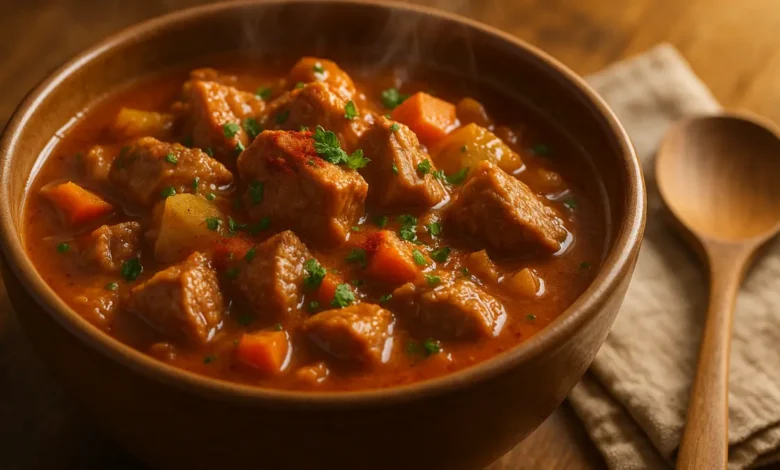
Wondering if fojatosgarto is hard to cook? Discover how this flavorful dish can be made easily at home with expert techniques, step-by-step tips, and insider cooking secrets.

Is Fojatosgarto Hard to Cook?
When people first hear the name fojatosgarto, they often assume it must be something complicated, exotic, and nearly impossible to master. The truth, however, is that while the dish does require care and patience, it isn’t as intimidating as it sounds. The key to cooking fojatosgarto successfully lies in understanding its nature, respecting its ingredients, and not rushing the process.
Fojatosgarto combines rich, rustic flavors with comforting textures, making it a favorite in kitchens that appreciate slow, soulful cooking. Whether you’re an experienced chef or a beginner home cook, once you learn the techniques behind fojatosgarto, it quickly becomes one of those dishes you’ll be proud to prepare again and again.
Understanding What Fojatosgarto Really Is
Before you decide if fojatosgarto is hard to cook, it helps to know what this dish actually represents. Traditionally, fojatosgarto is a slow-cooked, flavor-packed meal that merges the depth of seasoned meats with the heartiness of vegetables and spices. It’s often compared to European stews or braised dishes that rely on patience more than skill.
The main appeal of fojatosgarto lies in its layers of flavor. As it simmers, the meat becomes tender, the spices deepen, and the sauce thickens naturally. It’s less about complicated cooking and more about timing, texture, and balance. Understanding this makes the cooking process less intimidating and more enjoyable.
Why People Think Fojatosgarto Is Difficult
Many people assume fojatosgarto is hard to cook because of its name and reputation. The name itself sounds intricate and foreign, leading people to expect a complex recipe. In reality, the dish is approachable once you break it down.
Another reason for this perception is the number of steps involved. Fojatosgarto requires searing, sautéing, simmering, and occasionally baking. To someone unfamiliar with multi-step recipes, that can seem daunting. But when taken one step at a time, the process flows naturally—each stage builds on the last to create depth of flavor.
The Ingredients That Make Fojatosgarto Special
Fojatosgarto’s ingredients are straightforward, but how you handle them defines your success. The dish typically includes tender cuts of meat, onions, garlic, paprika, herbs, and sometimes a creamy or tomato-based sauce. Each element plays a role in building flavor.
The secret is quality and balance. Fresh vegetables, high-quality meat, and good paprika make a world of difference. Using fresh spices instead of stale ones ensures that the aroma and flavor carry through the dish. Once you understand that, cooking fojatosgarto becomes less about difficulty and more about care.
Techniques That Make Cooking Fojatosgarto Easier
Cooking fojatosgarto doesn’t require fancy equipment—just the right approach. The most important technique is controlling heat. Browning meat at the right temperature seals in flavor without burning, and adding paprika at the correct moment prevents bitterness.
Another key factor is time management. Fojatosgarto thrives on slow cooking. Trying to rush it will only lead to uneven flavors or tough meat. If you give it time, however, the ingredients naturally transform into something deeply satisfying. Patience truly pays off here.
The Step-by-Step Process Simplified
The best way to cook fojatosgarto is to divide the process into clear stages: preparation, browning, building the base, and slow cooking. First, prepare all your ingredients—cut the meat into even pieces, slice onions and garlic, and have your spices ready.
Next, sear the meat until it develops a golden crust. Remove it from the pan and sauté the onions and garlic in the same oil to capture every bit of flavor. Once the base is aromatic, add your spices and liquid, return the meat, and let it simmer slowly until everything blends harmoniously. The slow simmer is what makes fojatosgarto unforgettable.
Common Mistakes When Cooking Fojatosgarto
The most common mistake is rushing the process. Fojatosgarto isn’t meant to be cooked quickly; it rewards those who allow it to develop naturally. Cooking it too fast often leads to uneven textures and muted flavors.
Another mistake is using too much heat when adding paprika or spices. Spices should bloom gently—too much heat can turn them bitter. It’s also important not to over-stir once the dish starts simmering; doing so can break apart the meat and dull the sauce’s texture.
Tips From an Expert Home Chef
The biggest advice from experienced cooks is to trust the process. Fojatosgarto develops its richness over time, so avoid constant checking or adjusting. Use a heavy pot that retains heat evenly and keeps moisture locked in.
Always taste the sauce before finishing. Sometimes a touch of salt, a squeeze of lemon, or a dollop of sour cream can elevate the dish from good to incredible. Don’t be afraid to customize—it’s your version of fojatosgarto that makes it truly special.
Is Fojatosgarto Suitable for Beginners?
Yes, it is. While it may look complex on paper, fojatosgarto is actually a forgiving dish. Even if you make small mistakes, the slow cooking process tends to smooth them out. The long simmer allows flavors to blend, giving beginners room to learn and adjust.
Many first-time cooks find that after trying fojatosgarto once, they feel more confident with similar recipes. It’s an excellent way to practice timing, heat control, and seasoning—all essential skills in home cooking.
How to Serve Fojatosgarto the Right Way
Fojatosgarto shines when served hot with sides that complement its richness. Traditional pairings include crusty bread, buttered noodles, mashed potatoes, or rice. The key is to choose something that soaks up the sauce beautifully.
You can also serve it with pickled vegetables or a light salad to balance the hearty flavors. Presentation matters too—a deep bowl or rustic clay dish enhances its homely, comforting vibe.
Storing and Reheating Fojatosgarto
One of the best parts of fojatosgarto is that it tastes even better the next day. The flavors continue to deepen as it rests. To store it properly, cool it to room temperature and transfer it into an airtight container. Refrigerate for up to three days or freeze for up to two months.
When reheating, do it slowly on the stovetop rather than the microwave. Add a splash of water or broth if it thickens too much. Stir gently to preserve texture, and you’ll have a meal that’s just as delicious as when it was first cooked.
The Secret Ingredient Behind Perfect Fojatosgarto
Every cook has their own twist when it comes to fojatosgarto. Some add a hint of smoked paprika for depth; others stir in sour cream or a dash of vinegar at the end for tang. The real secret ingredient, though, is patience.
Cooking fojatosgarto is about connecting with the rhythm of your kitchen. It’s a dish that teaches you to slow down, appreciate each aroma, and enjoy the act of cooking itself. That’s what makes it so rewarding.
Frequently Asked Questions
What makes fojatosgarto special compared to other dishes?
Fojatosgarto stands out because of its rich, layered flavor and slow-cooked tenderness. It brings together simplicity and sophistication in one comforting dish.
Can I make fojatosgarto vegetarian?
Absolutely. Replace the meat with mushrooms, lentils, or tofu, and use vegetable broth instead of meat stock. The same spices and method still create a deep, satisfying flavor.
How long does it take to cook fojatosgarto?
It usually takes two to three hours for the flavors to fully develop, though preparation is only about 30 minutes. The slow simmer is what gives it its signature depth.
Can I prepare fojatosgarto in advance?
Yes, and it’s even recommended. The dish tastes better after resting, as the ingredients continue to meld. Reheat it gently before serving for best results.
Is fojatosgarto hard to cook for beginners?
Not really. It requires patience more than skill. As long as you follow the steps and give it time, it’s very manageable—even for a first-time cook.
Conclusion
So, is fojatosgarto hard to cook? Not at all. It’s a dish that demands attention, patience, and love, but it’s far from impossible. Once you understand its rhythm, you’ll realize that fojatosgarto is more about mindfulness than mastery.
Cooking fojatosgarto isn’t just about preparing a meal—it’s about learning how flavors grow, textures evolve, and the simple act of waiting can create something extraordinary. If you ever doubted your ability to make it, now’s the time to try.