Steampunk Outfit: A Timeless Fusion of Victorian Elegance and Retro-Futuristic Style

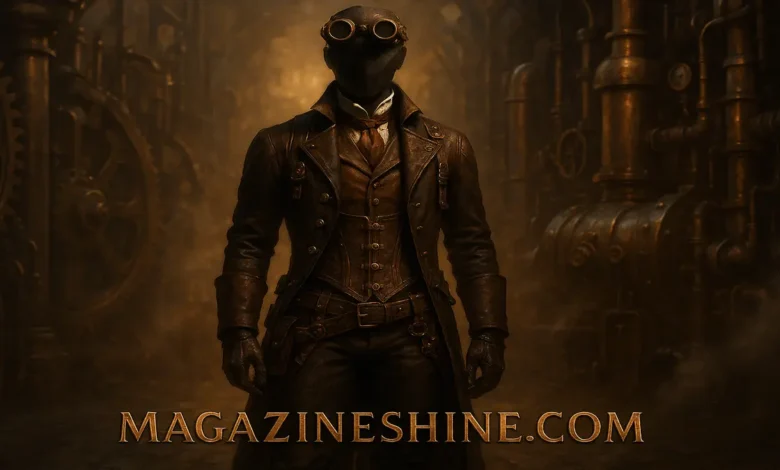
Discover everything about the steampunk outfit—from history and style elements to modern fashion tips, accessories, and FAQs. A complete expert guide for beginners and enthusiasts.

A steampunk outfit is more than just clothing. It is a visual language, a storytelling tool, and a bridge between history and imagination. Rooted in Victorian-era aesthetics and powered by retro-futuristic creativity, steampunk fashion blends the elegance of the nineteenth century with speculative technology that never existed—but feels like it should have. Whether worn for conventions, themed events, cosplay, photography, or personal style, a steampunk outfit represents individuality, craftsmanship, and a love for imaginative worlds.
At its core, the steampunk outfit celebrates an alternate timeline where steam power reigns supreme. Brass gears, leather straps, corsets, waistcoats, goggles, pocket watches, and mechanical accents are not random decorations—they are symbols of invention, rebellion, and artistry. Over the years, steampunk fashion has evolved from a niche subculture into a recognizable and respected style embraced by designers, creators, and fashion lovers around the world.
This article explores the steampunk outfit in depth. From its origins and defining elements to styling advice, accessories, gender expressions, modern interpretations, and common mistakes, this guide is designed to help you understand and confidently wear a steampunk outfit like an expert—while keeping it approachable, readable, and inspiring.
The Origins and Cultural Roots of Steampunk Fashion
The steampunk outfit did not appear overnight. Its roots lie in literature, history, and speculative imagination. The term “steampunk” itself was inspired by science fiction authors who envisioned a world where steam-powered machinery shaped technological progress instead of electricity or digital innovation. Writers like Jules Verne and H.G. Wells unknowingly laid the foundation for what would later become the visual and cultural identity of steampunk.
A steampunk outfit draws heavily from the Victorian and Edwardian eras, roughly spanning the mid to late nineteenth century. During this period, fashion emphasized structure, tailoring, and formality. Men wore waistcoats, frock coats, and tailored trousers, while women embraced corsets, bustles, long skirts, and lace details. Steampunk fashion reimagines these silhouettes by adding mechanical fantasy—gears, tubes, lenses, and imagined inventions.
Beyond clothing, the steampunk movement reflects a broader cultural philosophy. It values craftsmanship over mass production, individuality over trends, and imagination over realism. A steampunk outfit often feels handmade or customized, even when purchased. This intentional imperfection is part of its charm. Each outfit tells a story, suggesting who the wearer might be in this alternate steam-powered world.
Core Elements That Define a Steampunk Outfit
A steampunk outfit is instantly recognizable because of its distinctive elements. While creativity is encouraged, certain components consistently appear across steampunk fashion and help define the style.
The foundation of most steampunk outfits is Victorian-inspired clothing. For men, this often includes waistcoats, button-up shirts, tailored trousers, suspenders, and long coats. For women, corsets, layered skirts, high-neck blouses, and fitted jackets are common. These base garments create the historical silhouette that anchors the outfit.
Materials play a crucial role in achieving an authentic steampunk look. Leather, lace, velvet, cotton, and brocade are favored because they reflect the textures of the era. Synthetic fabrics are not forbidden, but they are usually styled or textured to resemble traditional materials. The tactile quality of a steampunk outfit adds depth and realism.
Mechanical and industrial accents are what transform historical clothing into a true steampunk outfit. Brass gears, rivets, buckles, chains, and clockwork motifs are frequently added as embellishments. These details hint at imagined inventions, steam engines, and mechanical enhancements that define the genre.
The Color Palette of a Steampunk Outfit
Color selection is one of the most important aspects of building a convincing steampunk outfit. The palette is typically inspired by materials and environments associated with the Industrial Revolution.
Earth tones dominate steampunk fashion. Shades of brown, tan, sepia, rust, and bronze create a warm, aged appearance. These colors evoke leather, wood, and metal—materials that feel both historical and industrial. Dark neutrals such as black, charcoal, and deep gray are often used to ground the outfit and add contrast.
Metallic accents are essential in a steampunk outfit, but they are usually muted rather than shiny. Brass, copper, antique gold, and aged silver are preferred over bright chrome finishes. These tones suggest wear, use, and history, reinforcing the idea that the outfit belongs to a world powered by steam and gears.
Accent colors can be introduced thoughtfully. Deep burgundy, forest green, navy blue, and muted teal are popular choices. These colors add richness without breaking the vintage aesthetic. When used sparingly, they enhance visual interest while keeping the steampunk outfit cohesive.
Steampunk Outfit for Men
A men’s steampunk outfit blends Victorian tailoring with rugged industrial flair. The silhouette is structured yet expressive, allowing wearers to look both refined and adventurous.
Waistcoats are a cornerstone of men’s steampunk fashion. Often worn over a button-up shirt, they provide structure and a historical feel. Patterns such as pinstripes, brocade, or subtle textures enhance authenticity. Many waistcoats include pocket watch chains or decorative buttons to reinforce the era.
Trousers are typically high-waisted and tailored, sometimes paired with suspenders. Slim or straight-leg cuts work best for maintaining a Victorian silhouette. Fabrics like tweed, wool blends, or heavy cotton add weight and texture to the outfit.
Outerwear completes the look. Long coats, frock coats, military-inspired jackets, and tailcoats are popular choices. These garments often feature brass buttons, epaulettes, or decorative seams. When layered properly, a men’s steampunk outfit feels powerful, intelligent, and timeless.
Steampunk Outfit for Women
A women’s steampunk outfit is often dramatic, elegant, and richly detailed. It combines historical femininity with bold, inventive elements that challenge traditional fashion norms.
Corsets are one of the most iconic components of a steampunk outfit for women. Worn over blouses or dresses, they create a structured silhouette while serving as a decorative centerpiece. Steampunk corsets often feature leather panels, metal clasps, or gear embellishments that elevate them beyond historical replicas.
Skirts and dresses are usually layered to create movement and visual interest. High-low skirts, ruffled hems, and bustled backs are common design choices. These elements reference Victorian fashion while allowing modern mobility and comfort.
Jackets, boleros, and fitted coats add authority and balance to the outfit. A tailored jacket with brass buttons or a cropped bolero over a corset can transform the entire look. A well-styled steampunk outfit for women feels both powerful and graceful.
Accessories That Complete a Steampunk Outfit
Accessories are not optional in a steampunk outfit—they are essential. They add narrative, detail, and authenticity to the overall look.
Goggles are perhaps the most recognizable steampunk accessory. Often worn on the head, around the neck, or attached to a hat, goggles symbolize invention and exploration. They may feature tinted lenses, leather straps, or mechanical detailing.
Hats vary widely depending on personal style. Top hats, bowler hats, aviator caps, and miniature hats are all popular choices. Many are decorated with gears, feathers, goggles, or chains, turning them into statement pieces.
Jewelry in a steampunk outfit tends to be bold and thematic. Pocket watches, clockwork necklaces, gear earrings, and layered chains reinforce the industrial fantasy. Unlike modern minimalist jewelry, steampunk accessories are meant to be seen and admired.
Footwear and Practical Details in Steampunk Fashion
Footwear grounds a steampunk outfit and contributes significantly to its overall impact. Shoes and boots should feel sturdy, historical, and functional.
Boots are the most common choice. Lace-up boots, Victorian ankle boots, combat boots, and knee-high styles all work well. Leather or faux leather materials are preferred, especially in brown or black tones. Buckles, straps, and metal accents enhance the steampunk aesthetic.
Footwear should balance style and practicality. A steampunk outfit often looks like it belongs in a world of workshops, airships, and cobblestone streets. Shoes that appear too modern or athletic can break the illusion.
Other practical details, such as belts, harnesses, and gloves, add depth. Fingerless gloves, leather belts with pouches, and utility straps suggest readiness and adventure, making the steampunk outfit feel lived-in and purposeful.
Modern Interpretations of the Steampunk Outfit
While traditional steampunk outfits are heavily inspired by the Victorian era, modern interpretations have expanded the style’s boundaries. Contemporary steampunk fashion blends historical elements with modern tailoring, comfort, and materials.
Some modern steampunk outfits incorporate slimmer silhouettes and lighter fabrics, making them more wearable for everyday events. A waistcoat paired with modern trousers or a corset layered over a simple dress can subtly reference steampunk without full cosplay.
Technology-inspired elements have also evolved. LED accents, glowing tubes, and futuristic materials occasionally appear in modern steampunk outfits. When used sparingly, these features enhance the retro-futuristic concept rather than overpower it.
Modern steampunk fashion proves that the style is not frozen in time. It adapts, evolves, and continues to inspire creativity across generations and cultures.
Common Mistakes to Avoid When Creating a Steampunk Outfit
Building a steampunk outfit is a creative process, but certain mistakes can weaken the overall look.
One common mistake is overloading the outfit with too many accessories. While details are important, excess can make the outfit feel cluttered rather than intentional. Each accessory should serve a purpose or contribute to the story.
Another issue is mixing incompatible eras. A steampunk outfit should maintain a coherent historical base. Pairing Victorian-inspired clothing with obviously modern items, such as sneakers or digital watches, can disrupt the aesthetic.
Poor fit is also a frequent problem. Victorian-inspired clothing relies on tailoring and structure. Ill-fitting garments can make even the most detailed steampunk outfit look unfinished or costume-like.
How to Build a Steampunk Outfit on Any Budget
A compelling steampunk outfit does not require unlimited spending. Creativity and resourcefulness matter more than price.
Thrift stores are excellent sources for base garments. Waistcoats, blouses, skirts, and jackets can often be found and customized. Adding gears, buttons, or trims can transform ordinary clothing into steampunk fashion.
DIY accessories are another budget-friendly option. Old watches, chains, and hardware pieces can be repurposed into jewelry and decorations. This hands-on approach aligns perfectly with the steampunk philosophy of craftsmanship.
Even small touches can make a difference. A single well-chosen accessory, such as goggles or a pocket watch, can elevate a simple outfit into a recognizable steampunk look.
Steampunk Outfit as a Form of Self-Expression
At its heart, a steampunk outfit is about self-expression. It allows wearers to step outside conventional fashion rules and explore identity through storytelling.
Some people embrace steampunk as a form of cosplay, adopting characters such as inventors, airship captains, or explorers. Others integrate steampunk elements into their daily wardrobe as a personal style statement.
The flexibility of the steampunk outfit encourages experimentation. There is no single “correct” look, only thoughtful combinations that reflect imagination and passion.
A steampunk outfit is not just worn—it is inhabited.
Steampunk Outfit Styling Reference Table
| Element | Purpose | Common Materials |
|---|---|---|
| Waistcoat or Corset | Defines silhouette | Cotton, leather, brocade |
| Goggles | Symbol of invention | Leather, metal, glass |
| Boots | Ground the outfit | Leather, faux leather |
| Jewelry | Adds narrative detail | Brass, chains, gears |
| Outerwear | Completes the look | Wool, leather, tweed |
Frequently Asked Questions About Steampunk Outfit
What makes a steampunk outfit different from regular vintage clothing?
A steampunk outfit combines vintage fashion with imaginative industrial elements. While vintage clothing focuses on historical accuracy, steampunk adds fictional technology, gears, and retro-futuristic storytelling.
Can a steampunk outfit be worn casually?
Yes, a steampunk outfit can be adapted for casual wear by using subtle elements like waistcoats, accessories, or boots without full costume styling.
Is a steampunk outfit only for cosplay events?
No, many people wear steampunk outfits for themed parties, festivals, photoshoots, or as part of their personal fashion identity.
Do steampunk outfits have to follow Victorian fashion strictly?
Not strictly. Victorian fashion provides the foundation, but creativity and reinterpretation are encouraged within the steampunk aesthetic.
Can beginners create a steampunk outfit easily?
Absolutely. Starting with basic pieces and adding a few steampunk accessories is a great way for beginners to build confidence and style.
Conclusion
A steampunk outfit is a powerful blend of history, imagination, and personal expression. It invites you into a world where fashion tells stories, craftsmanship matters, and creativity has no limits. Whether elaborate or minimal, every steampunk outfit reflects the wearer’s vision and passion. By understanding its roots, elements, and styling principles, anyone can create a steampunk look that feels authentic, expressive, and timeless.