USA traditional clothing reflects American history, culture, and identity through Indigenous attire, colonial garments, cowboy wear, and workwear traditions that shaped the nation.
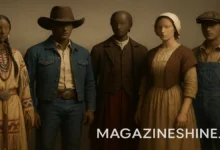

A Deep Cultural Journey Through American Heritage, Identity, and Style
USA traditional clothing is not a single outfit or one fixed style. It is a layered reflection of history, geography, migration, labor, belief systems, and cultural blending that has shaped the United States over centuries. Unlike countries with one dominant ethnic lineage, American clothing traditions evolved through Indigenous roots, European settlement, African influence, frontier survival, industrial workwear, and regional identity.
When people talk about usa traditional clothing, they are really talking about stories stitched into fabric. Every garment reflects a moment in time, whether it is Native American regalia worn for ceremony, denim created for labor, cowboy attire shaped by the land, or colonial garments that defined early American life. These styles were not invented for fashion alone. They were created for survival, symbolism, expression, and community belonging.
This article explores usa traditional clothing in depth, tracing its origins, regional diversity, cultural significance, and modern influence. By the end, you will understand why American traditional clothing is less about uniformity and more about identity.
Understanding Traditional Clothing in the American Context
Traditional clothing in the United States does not follow a single national costume model. Instead, it reflects the country’s complex history and cultural diversity. The concept of tradition in American clothing comes from repeated use over generations rather than official designation.
In the American context, clothing became traditional when it represented a shared way of life. Farming communities, Indigenous tribes, settlers, laborers, and regional groups all developed clothing styles based on climate, resources, and values. Over time, these garments became symbolic, even when they were no longer worn daily.
USA traditional clothing also evolved alongside social change. As America expanded westward, clothing adapted to harsh landscapes. As industries grew, workwear became iconic. As immigration increased, new textiles and aesthetics blended into existing styles, creating something uniquely American.
Native American Clothing and Cultural Foundations
Native American attire forms the earliest foundation of usa traditional clothing. Long before European settlement, Indigenous tribes across North America developed highly specialized clothing that reflected their environment, spirituality, and social structure.
Tribal clothing was created using natural materials such as animal hides, plant fibers, feathers, shells, and beads. Every piece served a purpose. Some garments were designed for daily wear, while others were reserved for ceremonies, storytelling, and rites of passage.
Colors, patterns, and materials often held symbolic meaning. Certain designs represented protection, ancestry, or spiritual guidance. Clothing was also a form of communication, expressing tribal identity and personal status within the community.
Today, Native American traditional clothing remains deeply respected and protected. It is worn during ceremonies, powwows, and cultural events, preserving traditions that continue to influence modern American design aesthetics.
Colonial Era Clothing and Early American Identity
Colonial clothing played a major role in shaping usa traditional clothing during the early formation of the nation. Settlers from Europe brought garments influenced by English, Dutch, French, and Spanish styles, but these quickly adapted to American conditions.
Early American clothing emphasized practicality. Fabrics were heavy, durable, and often handmade. Men wore breeches, waistcoats, and long coats, while women wore layered dresses with aprons and bonnets. Colors were typically muted due to limited dye availability.
Clothing during this period also reflected social structure. Wealthier families wore finer fabrics, while working families relied on rougher materials. Over time, these colonial styles became symbols of early American resilience and independence.
Modern historical reenactments and heritage festivals continue to showcase colonial clothing as a vital part of American tradition.
Frontier and Pioneer Clothing Traditions
Frontier clothing represents one of the most iconic chapters of usa traditional clothing. As settlers moved west, clothing had to endure harsh climates, long journeys, and physical labor.
Garments were designed for durability rather than appearance. Canvas trousers, sturdy shirts, leather boots, and wide hats became essential. Women wore long skirts and layered garments that allowed movement while maintaining modesty.
Pioneer clothing also encouraged self-reliance. Many families sewed their own garments, repaired worn fabric, and reused materials. This practical approach laid the groundwork for America’s later reputation for rugged, functional fashion.
Frontier clothing still influences modern outdoor and workwear brands, proving that necessity often creates timeless design.
Cowboy Clothing and Western American Tradition
Cowboy attire is one of the most globally recognized forms of usa traditional clothing. Originating in the American West, cowboy clothing was designed to meet the demands of ranch life and open landscapes.
Key elements included wide-brim hats for sun protection, denim or canvas pants for durability, leather boots for riding, and bandanas for dust control. Each item served a clear purpose tied to daily work.
Over time, cowboy clothing became symbolic of independence, strength, and freedom. It represented the American frontier spirit and continues to influence fashion, entertainment, and national identity.
Today, cowboy attire is worn both practically and ceremonially, especially in Western states, rodeos, and cultural celebrations.
Workwear and Industrial American Clothing
Industrial workwear is a critical yet often overlooked part of usa traditional clothing. As factories, railroads, and construction projects expanded, workers needed durable, functional garments.
Denim emerged as a defining fabric during this period. Originally created for miners and laborers, denim jeans became a symbol of hard work and equality. Overalls, sturdy jackets, and heavy boots followed the same philosophy.
This clothing tradition emphasized resilience and practicality over status. Everyone wore similar garments, reinforcing the idea of shared labor and community effort.
Eventually, American workwear crossed into mainstream fashion, becoming globally influential while retaining its traditional roots.
Regional Variations in USA Traditional Clothing
USA traditional clothing varies significantly by region. Climate, history, and cultural influence all shape what people traditionally wore and still celebrate today.
In the South, lighter fabrics and relaxed silhouettes developed due to warm weather. In the Northeast, layered garments protected against cold seasons. The Midwest favored practical farming attire, while the Southwest incorporated Indigenous and Hispanic influences.
These regional differences highlight how American traditional clothing adapts rather than conforms. There is no single uniform look, only shared values expressed differently across landscapes.
Understanding these variations adds depth to the concept of American tradition.
Cultural Influence of Immigration on Traditional Clothing
Immigration has deeply shaped usa traditional clothing. Waves of immigrants brought textiles, techniques, and design philosophies from Europe, Africa, Asia, and Latin America.
Over generations, these influences blended into American styles rather than replacing them. Traditional garments evolved naturally, creating hybrid aesthetics that still felt distinctly American.
For example, embroidery techniques, fabric patterns, and tailoring methods introduced by immigrants became part of regional traditions. Clothing reflected cultural pride while adapting to American life.
This blending process defines the true spirit of American tradition.
Symbolism and Meaning in Traditional American Clothing
USA traditional clothing carries symbolism beyond appearance. Each garment reflects values such as independence, resilience, freedom, and community.
Native American attire symbolizes spiritual connection. Cowboy clothing represents self-reliance. Workwear reflects dignity of labor. Colonial garments express early national identity.
These meanings transform clothing into cultural artifacts rather than simple fashion choices. They tell stories of struggle, adaptation, and belonging.
Traditional American clothing continues to communicate these values today, even in modern interpretations.
Traditional Clothing in Modern American Life
Traditional clothing in the United States is not confined to museums. Elements of usa traditional clothing appear in everyday fashion, celebrations, and media.
Denim remains a staple worldwide. Western wear influences modern street style. Indigenous patterns inspire contemporary design, when used respectfully.
Festivals, historical events, and cultural gatherings keep these traditions alive. Clothing becomes a bridge between past and present.
Modern Americans may not dress traditionally every day, but traditional influences remain deeply embedded in style choices.
Table of Key USA Traditional Clothing Styles
| Clothing Tradition | Origin Influence | Primary Purpose | Cultural Meaning |
|---|---|---|---|
| Native American attire | Indigenous tribes | Ceremony and daily life | Spiritual identity |
| Colonial clothing | European settlers | Daily wear and status | Early American roots |
| Frontier wear | Westward expansion | Survival and labor | Resilience |
| Cowboy attire | Western ranch life | Practical workwear | Freedom |
| Workwear denim | Industrial era | Durability | Equality |
Quotes on American Clothing Heritage
“American clothing tradition is not about fashion trends, but about lived experience.”
“What people wore in America was shaped by land, labor, and belief.”
“USA traditional clothing reflects a nation built by many hands.”
How USA Traditional Clothing Influences Global Fashion
American traditional clothing has influenced global fashion more than most national styles. Denim jeans, work jackets, and Western boots are worn worldwide.
These garments gained popularity because they are practical, adaptable, and expressive. Global designers often reinterpret American traditional clothing through modern lenses.
Despite trends changing, the core elements remain recognizable, proving the timeless nature of American tradition.
Preservation and Respect for Traditional Clothing
Preserving usa traditional clothing requires respect for its origins. Especially with Indigenous attire, understanding cultural significance is essential.
Education, ethical representation, and cultural collaboration help protect these traditions. Museums, tribal organizations, and cultural institutions play a key role.
Preservation ensures that traditional clothing remains a living heritage rather than a forgotten artifact.
FAQs About USA Traditional Clothing
What is considered traditional clothing in the USA
Traditional clothing in the USA includes Native American attire, colonial garments, cowboy wear, frontier clothing, and industrial workwear that reflects historical lifestyles.
Does the USA have a national costume
The USA does not have a single national costume. Its traditional clothing reflects cultural diversity and regional history.
Why is denim considered traditional American clothing
Denim originated as workwear for laborers and became symbolic of American resilience and equality over time.
Is Native American clothing part of USA traditional clothing
Yes, Native American clothing is foundational to American tradition and represents the earliest cultural heritage of the land.
Do Americans still wear traditional clothing today
Traditional elements appear in modern fashion, cultural events, festivals, and regional celebrations rather than daily wear.
Conclusion
USA traditional clothing represents a living history shaped by land, people, and purpose. It is not defined by one garment but by shared values expressed through diverse styles. From Indigenous roots to modern influence, these traditions continue to define American identity in powerful and meaningful ways.